Avoid hidden rubbish removal charges in Brompton
Posted on 10/10/2026

If you have ever asked for a rubbish removal quote and then felt a slight stomach drop when the final bill arrived, you are not alone. Hidden extras can turn a simple clear-out into an expensive headache, especially in Brompton where access, parking, and building layouts can make a job look straightforward on paper and awkward in real life. This guide will help you avoid hidden rubbish removal charges in Brompton by showing you what to ask, what to watch for, and how to compare quotes properly before anyone lifts a single bag.
Truth be told, most unpleasant surprises in waste removal are avoidable. A few careful questions up front can save money, time, and the odd awkward conversation at the kerbside. Let's get into the practical stuff.
Why hidden rubbish removal charges matter in Brompton
Brompton is one of those places where logistics matter. Quiet residential streets, period properties, basement flats, mews houses, shared entrances, and limited parking can all affect how a collection is priced. A quote that seems fine for a ground-floor flat with easy access may not cover the reality of carrying items down narrow stairs, waiting for parking, or dealing with items spread across multiple rooms.
That is why hidden charges are more than a nuisance. They can change your budget, delay the job, and leave you feeling pressured to agree to extra costs on the spot. And nobody likes negotiating with a van half-loaded while the front door is open and the hallway is full of old chairs. Not ideal.
In a local area like Brompton, the issue is often not the rubbish itself but the assumptions around it. People hear "rubbish removal" and assume one price covers everything. In reality, the final amount may depend on volume, weight, accessibility, labour, disposal type, and whether the crew needs extra time to sort awkward items. If you understand those variables early, you are much less likely to get caught out.
Expert takeaway: the cheapest quote is only useful if it includes the real job, not just the easiest version of the job.
A careful approach also helps you compare providers on a fair basis. One company may include loading, disposal, and sweep-up in a single figure, while another advertises a low starting price and adds fees for labour, stairs, parking, mattress disposal, or bulky waste. On paper they can look similar. In practice, they are miles apart.
How rubbish removal pricing usually works
To avoid surprise costs, it helps to understand the moving parts behind a rubbish removal quote. Most providers base pricing on a combination of the following:
- Volume: how much space your waste takes up in the vehicle, often measured in fractions of a load.
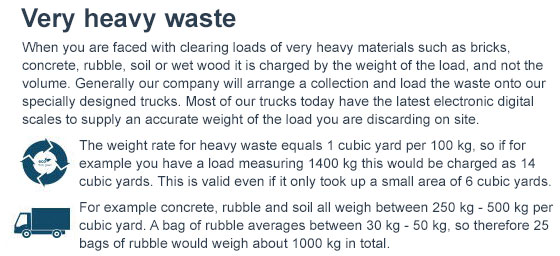
- Weight: particularly relevant for dense materials like rubble, soil, tiles, or mixed builders' waste.
- Labour: how long the crew spends loading, carrying, and sorting items.
- Access: stairs, basements, tight hallways, long carries, no lift, restricted parking, or difficult entry points.
- Waste type: furniture, garden waste, appliances, office clutter, builders' waste, and general household rubbish can all be priced differently.
- Disposal costs: some items need special handling or separate processing.
In Brompton, access issues often matter more than people expect. A top-floor flat with no lift and a narrow stairwell can take longer than a bigger load from a ground-floor property. The quote should reflect that, but only if the company knows the full picture before arriving.
Good operators will usually ask a few sensible questions before giving a final price. They may want photos, item counts, rough measurements, or details about parking. That is a good sign, not an inconvenience. If anything, it means they are trying to price the job properly instead of guessing and padding the final invoice later.
On the other hand, if someone gives you a suspiciously low figure without asking anything useful, pause for a second. How can they know the true cost if they do not know what they are collecting?
Key Benefits and Practical Advantages
Getting a clear rubbish removal quote is about more than saving a few pounds. It gives you control, and that makes the whole process feel calmer. You know what is included, what is not included, and what to expect on the day.
1. Better budgeting
When the price is transparent, you can plan properly. That matters if you are clearing a property between tenancies, emptying a garage, or preparing for a sale. No one wants to find out the disposal bill has quietly become the biggest line in the move-out budget.
2. Faster decisions
A clear quote helps you decide whether to book rubbish removal, split the job into stages, or use another option. If you know the true cost upfront, you can compare it against your time, transport, and effort. Sometimes paying for a crew is the practical choice; sometimes a partial clear-out makes more sense.
3. Less risk of disputes
It is much easier to agree on the price before the team starts than after the truck is already on the street. Transparent pricing reduces misunderstandings and keeps the job professional. That alone is worth a lot.
4. Better service matching
Once a provider understands your access, item type, and volume, they can send the right team and vehicle. That often means the job is quicker and smoother, with fewer delays. A tidy outcome, really.
5. More confidence in the provider
If a company explains its pricing clearly, it usually says something about how it handles the rest of the job too. Not always, but often enough to matter. Clear pricing is one of the easiest trust signals to check.
| Pricing approach | What it means | Risk of hidden charges |
|---|---|---|
| All-inclusive quote | One price covering agreed labour, loading, and disposal | Lower, if the job details are accurate |
| Starting-from price | Base price that may increase depending on access, weight, or items | Medium to high unless clarified early |
| On-site assessment only | Final price confirmed after the team sees the waste in person | Can be fair, but needs careful communication |
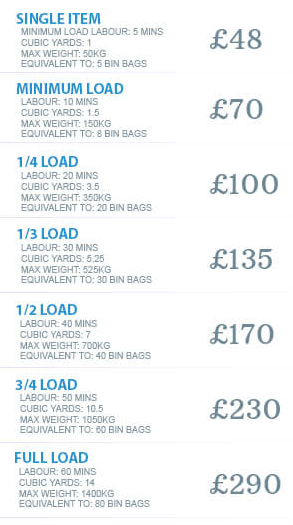
| Charge-by-load | Cost linked to how much space your waste uses | Varies, especially if items are bulky or dense |
Who This Is For and When It Makes Sense
This topic matters to anyone booking waste collection in Brompton, but some people feel the pain more sharply than others.
- Homeowners clearing lofts, garages, spare rooms, or renovation waste.
- Renters trying to leave a property tidy before move-out day.
- Landlords dealing with end-of-tenancy clutter or abandoned items.
- Estate executors handling sensitive house clearances.
- Office managers removing old desks, chairs, filing, or IT waste.
- Contractors and tradespeople who need reliable builders' waste clearance.
- Busy families with bulky items that are difficult to move, like wardrobes or broken appliances.
If you live near busy roads, tighter residential streets, or older buildings with awkward access, hidden fees are especially worth watching. A small job can become a bigger logistical exercise than expected. That is just London, honestly.
You should also pay close attention if your waste includes mixed materials, heavy rubble, or items that may need careful disposal. Those details can materially affect the quote, even when the total pile looks modest from the hallway.
Step-by-Step Guidance
Here is the practical route to avoid hidden rubbish removal charges in Brompton without turning the process into a project.
Step 1: Make a proper list of what is going
Walk through the property and list every major item. Be specific. "A few bits of furniture" is not enough. Write down sofas, mattresses, tables, bags, boxes, broken electronics, garden waste, or builders' debris. If you are clearing multiple rooms, note that too.
Step 2: Take clear photos from different angles
Photos help a provider understand volume and access. Include doorways, stairs, hallways, and any narrow spots. If parking is tricky outside your address, mention that as well. A quick photo of the building entrance can save a lot of back-and-forth later.
Step 3: Ask what is included in the quote
This is the key question. Ask whether the price includes labour, loading, disposal, VAT if applicable, call-out charges, congestion or parking-related charges if relevant, and any fees for difficult access. If the provider cannot explain this clearly, treat that as a warning sign.
Step 4: Check how pricing changes if the load changes
Sometimes a quote is based on a rough estimate, and that is fine. But you should know what happens if the pile is larger than expected. Will the price be revised by load size, by weight, or by an hourly rate? Get the rule before booking.
Step 5: Confirm special item charges
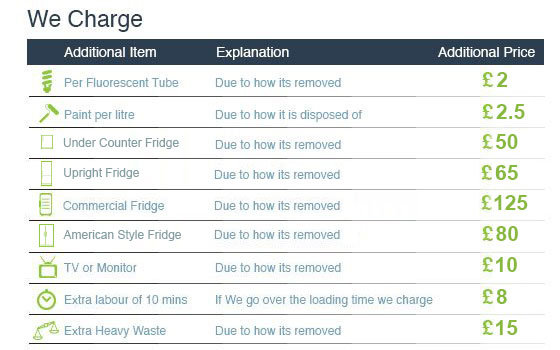
Some items can carry extra disposal costs. Mattresses, fridges, freezers, electrical items, and certain bulky waste items may need separate handling. Ask directly. It is far better to hear the answer before collection day than after the van is loaded.
Step 6: Clarify access and timing
Tell the provider about stairs, lifts, entry codes, timed access, permit restrictions, or whether someone needs to meet the crew. If the collection window is tight, say so. A little honesty here avoids a messy surprise later.
Step 7: Get the price in writing
Whether by email or message, a written quote gives you something to refer back to. It does not need to be formal, just clear. The message should reflect the agreed waste type, scope, and any conditions that affect the price.
Step 8: Be present, or have a decision-maker available
If possible, be there at the start. If not, make sure someone can approve any adjustments. A quick five-minute check can prevent the whole thing from drifting into uncertainty.
One small but useful habit: keep the job description simple and factual. No fluff. If you can explain the job in one clean paragraph, the quote is usually more reliable.
Expert Tips for Better Results
Over time, the same patterns show up again and again. The good news is they are easy to work with once you know them.
Ask for an itemised explanation, not just a total
You do not always need a formal itemised invoice before the job, but you do need to know what drives the cost. A breakdown by load, labour, and special items is helpful. It turns a vague quote into something you can actually compare.
Compare like for like
Two quotes are only comparable if they cover the same job. One may include a sweep-up and full loading, while the other assumes kerbside collection only. That difference is easy to miss and expensive if you do.
Think about timing
If you need collection on a tight schedule, same-day or next-day service can be convenient, but urgency sometimes limits flexibility. That does not automatically mean it is overpriced. It does mean you should ask whether the speed affects the price.
Be honest about mixed waste
Mixed loads often create more processing work than a single waste type. If your pile includes furniture, general rubbish, metal, and builders' debris, say so. Hiding the mix usually backfires.

Use a quick "what if" test
Ask yourself: if the crew arrives and the job is slightly bigger than expected, what exactly happens? If you do not know the answer, the quote is not yet complete.
A little practical instinct goes a long way here. If something feels too vague, it probably is.
Watch for vague language
Words like "from," "subject to assessment," or "depending on the waste" are not bad in themselves, but they should be followed by a proper explanation. You want clarity, not mystery.

Common Mistakes to Avoid
Most surprise charges come from predictable mistakes. That is the good news. Predictable means preventable.
- Choosing purely on the lowest advertised price: a low starting figure can be misleading if it excludes loading, stairs, or disposal.
- Not mentioning access issues: the crew may need extra time if there is no lift, limited parking, or a long carry.
- Forgetting about bulky or special items: mattresses, appliances, and heavy waste can change the quote.
- Assuming all rubbish is the same: household clutter, garden waste, and builders' waste are often handled differently.
- Accepting a verbal estimate with no follow-up: if the details matter, ask for them in writing.
- Not checking whether VAT is included: a quote can look competitive until tax is added.
- Overlooking minimum charges: sometimes a small load costs more than expected because of the provider's base fee.
Another common mistake is leaving the sorting until the crew arrives. That can slow the job down and muddy the final price. A bit of pre-sorting is not glamorous, but it helps. Nobody ever said rubbish removal was a glamorous business, to be fair.
Tools, Resources and Recommendations
You do not need fancy tools to manage waste removal well, but a few practical habits help enormously.
- Your phone camera: take clear photos of the waste pile, access points, and any awkward stairs or narrow hallways.
- A simple notes app: list item types, room locations, and anything that may affect collection.
- A tape measure: useful for oversized items, especially wardrobes, sofas, and boards.
- A quick parking check: note whether a vehicle can stop close to the property without blocking traffic or causing delays.
- Relevant service pages: if you are comparing clearance types, it can help to review the wider range of waste removal services, including specific options for rubbish clearance in Brompton, house clearance, and furniture disposal.
If your job involves renovation waste, it can also be worth looking at builders' waste clearance in Brompton, because construction debris is often priced differently from general household waste. That distinction matters more than people think.
For budgeting and transparency, the pricing and quotes page is useful when you want to understand how a quote is likely to be structured before you commit. And if your priority is re-use and lower waste impact, the company's recycling and sustainability approach may help you choose a provider with a better disposal mindset.
Law, Compliance, Standards, or Best Practice
Waste removal in the UK should be handled carefully and lawfully, especially if a provider is collecting and transporting rubbish on your behalf. You do not need to become a legal expert, but it helps to know a few sensible expectations.
First, ask whether the provider is properly set up to carry and dispose of waste responsibly. In normal practice, a legitimate waste carrier should be able to explain how waste is transferred, where it goes, and how they handle different item types. If that explanation is vague, keep asking. Calmly. It is your rubbish, after all.
Second, make sure the quote reflects legal disposal rather than casual dumping. Cheap is never cheap if it creates a compliance problem later. Fly-tipping, unsafe disposal, or careless handling can lead to serious trouble for everyone involved, including the customer if they hired the wrong operator.
Third, be aware that electrical items, fridges, freezers, and some bulky objects may require more careful handling than standard bagged waste. Good practice is to disclose these items in advance so they can be collected and processed properly.
For households and businesses alike, the best approach is simple: use a provider that is transparent about pricing, clear about waste types, and careful about disposal. That combination is the real safeguard against hidden costs and poor outcomes.
Options, Methods, or Comparison Table
There are a few ways to get rubbish removed in Brompton, and the right one depends on the size of the job, your timescale, and how much lifting you want to do yourself.
| Method | Best for | Possible drawback | Hidden charge risk |
|---|---|---|---|
| Man and van rubbish removal | Mixed household waste, furniture, bulky items | Price can vary if access is awkward or items are heavier than expected | Medium unless scope is agreed clearly |
| Skip hire | Longer projects with predictable waste volume | Needs space, permits may apply, and you usually load it yourself | Medium if permit, hire length, or waste restrictions are not checked |
| Specialist clearance service | House clearances, offices, garages, lofts, or sensitive jobs | May cost more if the project needs sorting or additional labour | Lower when the service is surveyed properly |
| Self-haul to a facility | Smaller loads if you have transport and time | Time-consuming, physically demanding, and not always convenient | Lower in fees, but higher in effort and fuel |
For many Brompton residents, a professional collection service makes sense because access is the real problem, not the amount of waste. If you have a few large items in a flat with stairs, or a mix of office clutter and furniture, a crew can be the cleaner, easier option. If the job is mostly bagged waste and you have space, a skip may work better. It depends, and that is fine.
Case Study or Real-World Example
A Brompton resident clearing out a spare room had a fairly ordinary-looking job: one wardrobe, a broken desk, several bags, and a mattress. The first quote sounded attractive, but when the details were discussed, it became clear that the room was on an upper floor, the hallway was narrow, and parking outside was limited during the day. The provider revised the price before booking and explained why.
That might sound disappointing at first, but it was actually the better outcome. No surprise charge, no rushed argument on collection day, and no confusion about what was included. The resident chose to split the job into two parts: remove the heavy furniture first, then deal with the smaller bags another day. The whole thing became more manageable, and the final cost stayed under control.
This is a useful pattern. The cheapest headline quote is not always the best result. The best result is the one that matches the actual job. Small difference, big impact.
In another common situation, a small office near Gloucester Road needs old filing cabinets and mixed waste cleared before refurbishment. If the provider knows about access, lift availability, and the mix of materials, the booking is smooth. If they do not, the team may arrive underprepared, which is exactly how hidden charges start creeping in. A bit of detail up front saves a lot of hassle later in the day.
Practical Checklist
Use this before you confirm any rubbish removal booking in Brompton.
- List every item or waste type clearly.
- Take photos of the waste and access points.
- Ask what the quote includes and excludes.
- Check for fees related to stairs, parking, labour, or call-out time.
- Confirm whether VAT is included.
- Ask how heavy or mixed waste is priced.
- Identify any special items such as mattresses, fridges, or electricals.
- Make sure the quote is written down.
- Clarify the arrival window and collection process.
- Choose the option that fits the real job, not just the cheapest headline number.
Quick summary: clear scope, clear access details, and clear pricing are the three things that usually prevent surprise charges. Keep those three in view and you are already ahead of most people.
Conclusion
To avoid hidden rubbish removal charges in Brompton, the real trick is not complicated. Be specific about the waste, honest about access, and firm about getting the full price in writing before the job starts. That simple discipline protects your budget and makes the whole experience much less stressful.
In a place like Brompton, where properties and access points vary so much from one street to the next, the details really do matter. A few photos, a clear list, and a couple of pointed questions can save you from the classic "well, we didn't know about that" moment. And let's face it, nobody wants that conversation on a busy day.
If you are comparing removal options, take a moment to review the scope carefully and choose the service that matches your actual needs. The calm, transparent route is usually the best one. It feels better on the day, and even better when the invoice arrives.
Get a free quote today and see how much you can save.


 Tipper Van - Rubbish Removal and House Waste Disposal Prices in Brompton, SW10
 Luton Van - Rubbish Removal and House Waste Disposal Prices in Brompton, SW10